

Two countries. One shared coastline. And yet, walk into a Sri Lankan kitchen versus an Indian one, and you will notice the difference before you even taste a thing. The smell alone tells a different story.
We have spent time exploring both culinary traditions, and honestly, the contrasts are far more interesting than most people expect.
The Spice Philosophy Is Completely Different
Yes, both cuisines use spices. But how they use them? That is where things get interesting.
Indian cuisine builds flavour in layers. Spices are often tempered in oil first, then added at different stages of cooking. The result is complex, structured, and deeply aromatic.
Sri Lankan cuisine takes a bolder approach. Spices are typically dry-roasted before grinding, which creates a darker, smokier depth. Roasted curry powder is a signature Sri Lankan touch that you will rarely find in Indian cooking.
Quick comparison:
• Indian curries use a wider spice range across regions (north to south varies enormously)
• Sri Lankan curries lean heavily on dark roasted coconut, Maldive fish flakes, and pandan leaves
• Sri Lankan food is generally spicier and tangier overall

Coconut: Background Note vs. Lead Ingredient
In Indian cooking, coconut plays a supporting role, especially in South Indian dishes. In Sri Lanka, it is practically the backbone of the entire cuisine.
Coconut milk, scraped fresh coconut, and coconut oil appear in almost every traditional Sri Lankan meal. The richness it adds is unmistakable. It softens the heat without hiding it.
Rice and Bread: Different Staples at the Table
Both cultures love rice. But the way it is served differs noticeably.
Sri Lankan Table:
• Rice and curry is the national meal, served with multiple side dishes simultaneously
• Hoppers (Appam) and string hoppers are iconic Sri Lankan breakfast items
• Pol Roti (coconut flatbread) is a Sri Lankan staple with no real Indian equivalent
Indian Table:
• Bread culture is far more prominent, especially in the north: roti, paratha, naan, puri
• Rice dominates in South India, but bread variety across India is extraordinary
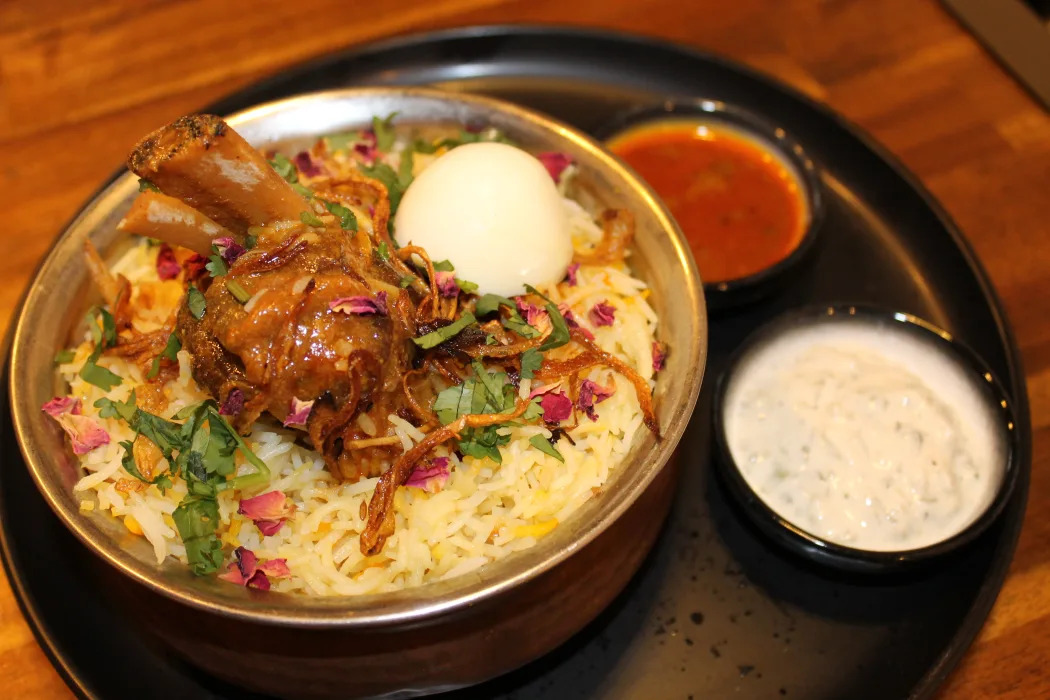
• Biryani is a celebrated Indian classic with many regional versions
Protein Choices and Cooking Methods
Sri Lanka, being an island, naturally leans toward seafood. Fish curries, crab, prawns, and dried fish preparations are deeply embedded in the cuisine.
India, by contrast, offers a much larger range depending on the region:
• Northern India: lamb, chicken, and rich dairy-based gravies
• Coastal India: seafood similar to Sri Lanka
• A significant portion of India follows vegetarian traditions, especially in Gujarat and Rajasthan
Sri Lankan cuisine includes vegetables but is not as elaborately vegetarian as many Indian regional cuisines.
The Role of Dairy
This is a clear dividing line. Indian cuisine uses dairy extensively: ghee, paneer, yoghurt, cream, and milk-based sweets are central to the tradition.
Sri Lankan cooking uses almost no dairy. Coconut replaces cream. Coconut oil replaces ghee. It is a genuinely different fat philosophy.
Where to Experience Both Done Right
At Zircon Restaurant, we bring these distinct culinary traditions to life with care and authenticity. Our menu reflects the bold, spice-forward character of Sri Lankan cuisine alongside beloved Indian classics, so guests can taste the real differences side by side.
We use traditional cooking methods, fresh ingredients, and time-honoured recipes that honour both cultures, not approximate them.
Final Thoughts: Two Cuisines Worth Knowing Deeply
Sri Lankan and Indian cuisines share roots but have grown into distinct identities. The spice philosophy, the role of coconut, the bread and rice traditions, the protein choices, and the use of dairy all separate them clearly.
If you consider yourself a serious food lover, understanding these differences does not just improve your dining choices. It changes how you experience flavour entirely.

